Our Work

Our Work

Four programmes carried out every year, in every weather, by members who receive nothing for it.

Winter feeding programme

Our Work · 01

Winter feeding programme

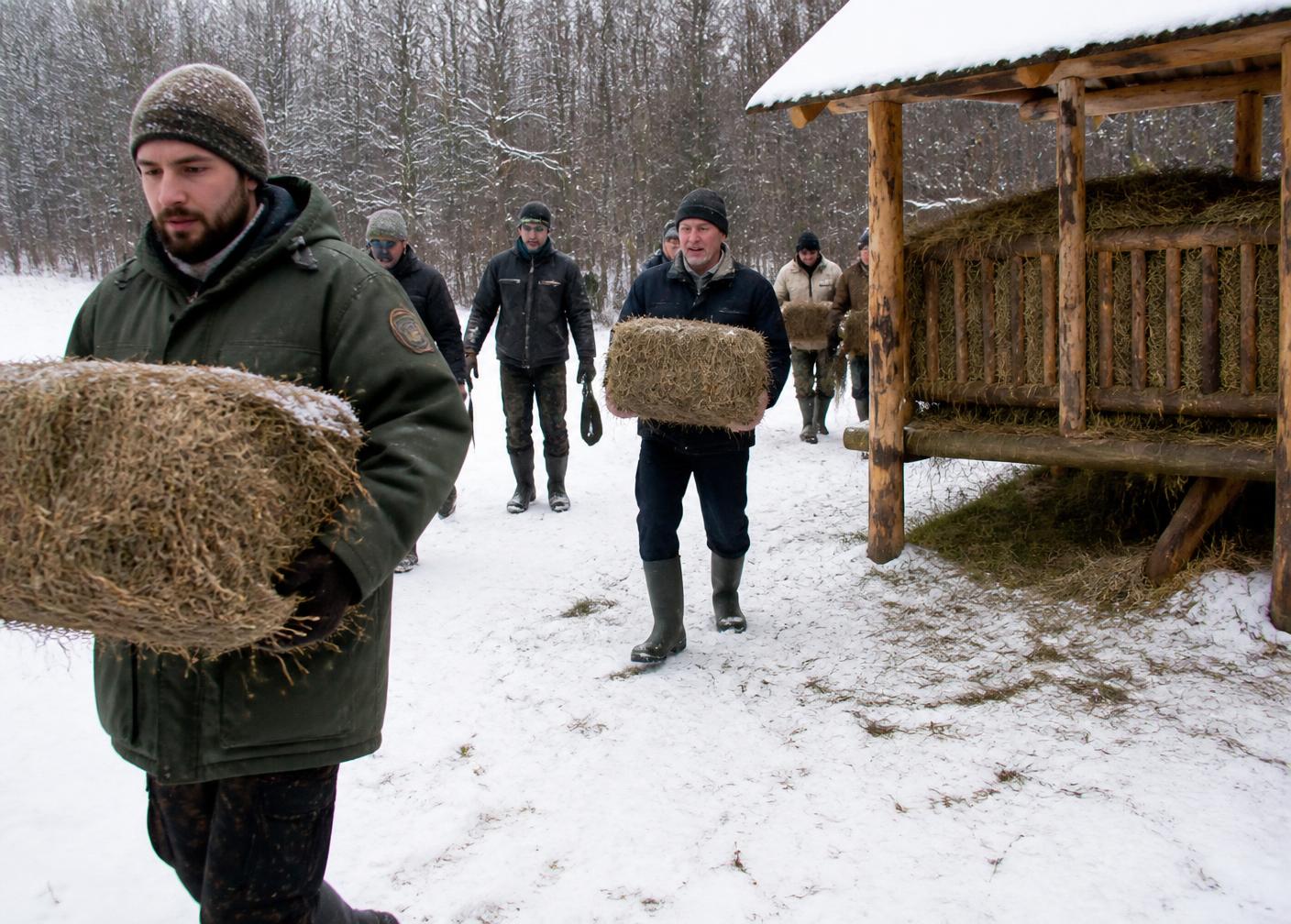
Between November and April the association maintains twenty-seven feeding racks, nine root-crop pits and thirty-one mineral salt licks across the territory. Routes are divided among member teams; each rack is visited at least weekly and its condition, consumption and visiting species logged.

Last season we distributed 41 tonnes of hay, oats, apples and fodder beet, purchased chiefly from farms within thirty kilometres. Feeding is placed deliberately away from young plantations and public roads, to draw animals from both.
Wildlife population management

Our Work · 02

Wildlife population management

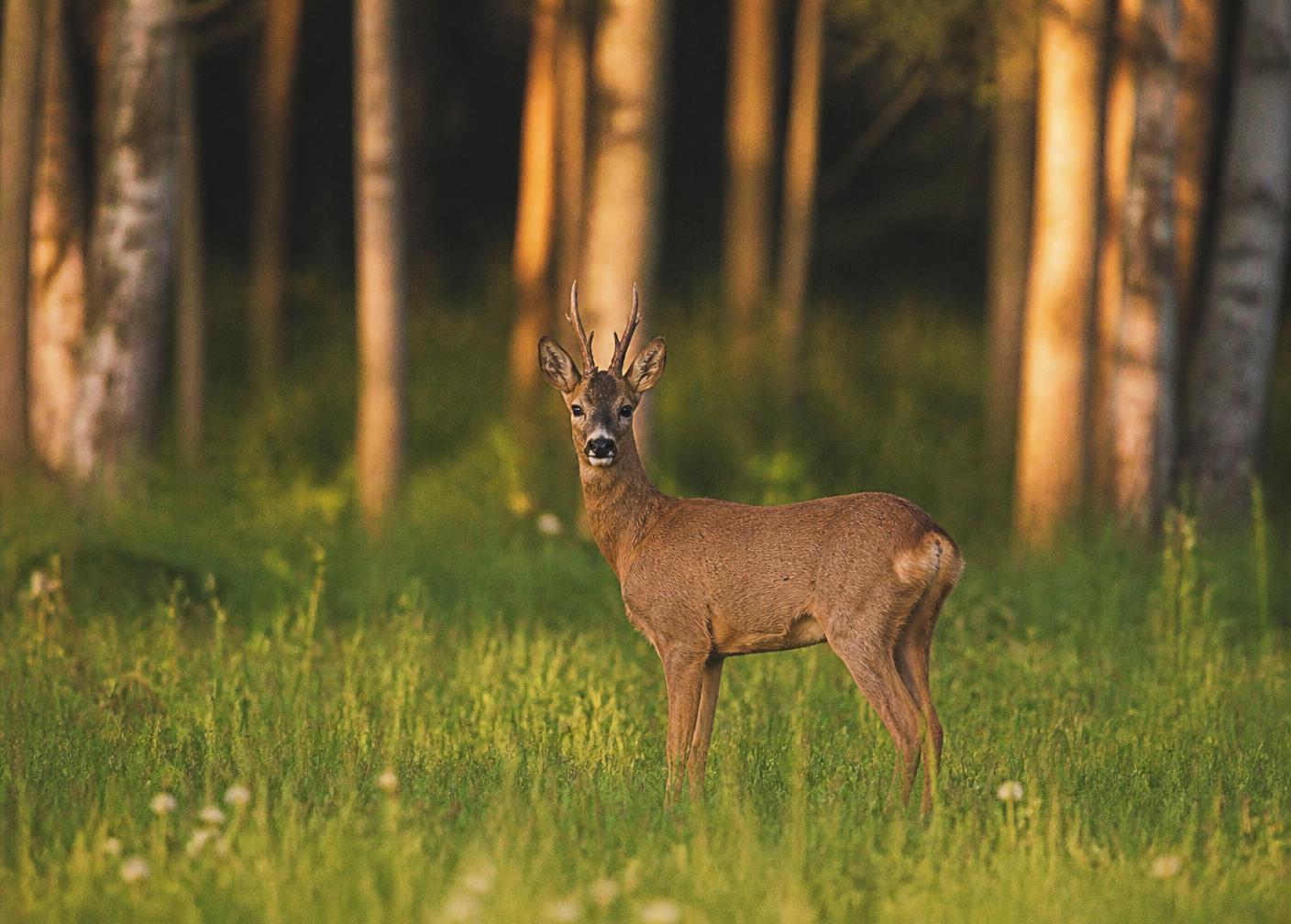
Every February members walk fixed snow-track transects; in summer camera-trap grids and evening observation posts supplement the record. From these figures we prepare the annual management plan and cull quotas, submitted to and approved by the State Forest Service.

Selective culling targets sick, injured and surplus animals, with strict age and sex structure rules to protect the breeding core. Female and juvenile quotas are the ones that actually control a population, and they are the ones our members are held to.

Forest clean-up drives

Our Work · 03

Forest clean-up drives

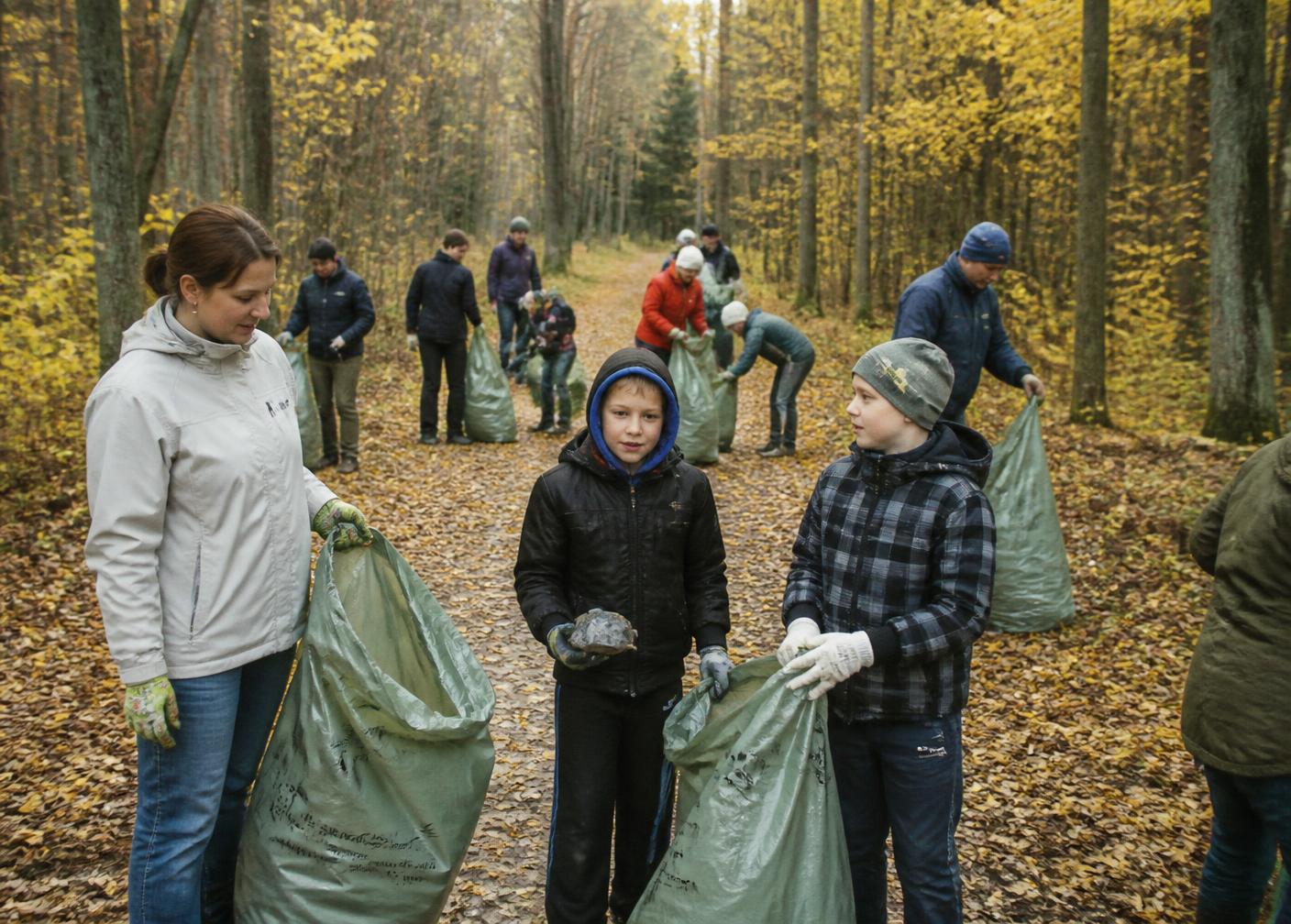
Illegal dumping is the most visible wound in a Latvian roadside forest. Four times a year — in April, June, September and, memorably, on the first Saturday of November — members, families and neighbours work the tracks with sacks, gloves and a hired container.

Household waste, tyres, construction debris and abandoned nets are sorted and delivered to licensed facilities. We record locations of repeat dumping and pass them to the municipal environmental inspectorate.

Education and community

Our Work · 04

Education and community

Our field station hosts seminars for schoolchildren on forest safety, tracks and signs, and why silence matters; courses for landowners on damage prevention and fencing of young stands; and mandatory annual refreshers for members in firearm discipline, first aid and disease protocol.

We also mount rescue call-outs for injured wildlife with the local veterinary service, and each spring build and hang nest boxes for owls and goldeneyes with the participating classes.

Habitat and forestry

Our Work · 05

Habitat and forestry

Sustainable forestry is the quiet half of our work: maintaining game meadows and forest glades, planting oak, rowan and apple as browse and mast trees, keeping drainage ditches clear, and protecting young plantations with repellent and fencing rather than with the rifle.

Since 2011 we have planted 14,800 trees, chiefly broadleaves, in cooperation with landowners who allow us to work their stands.